
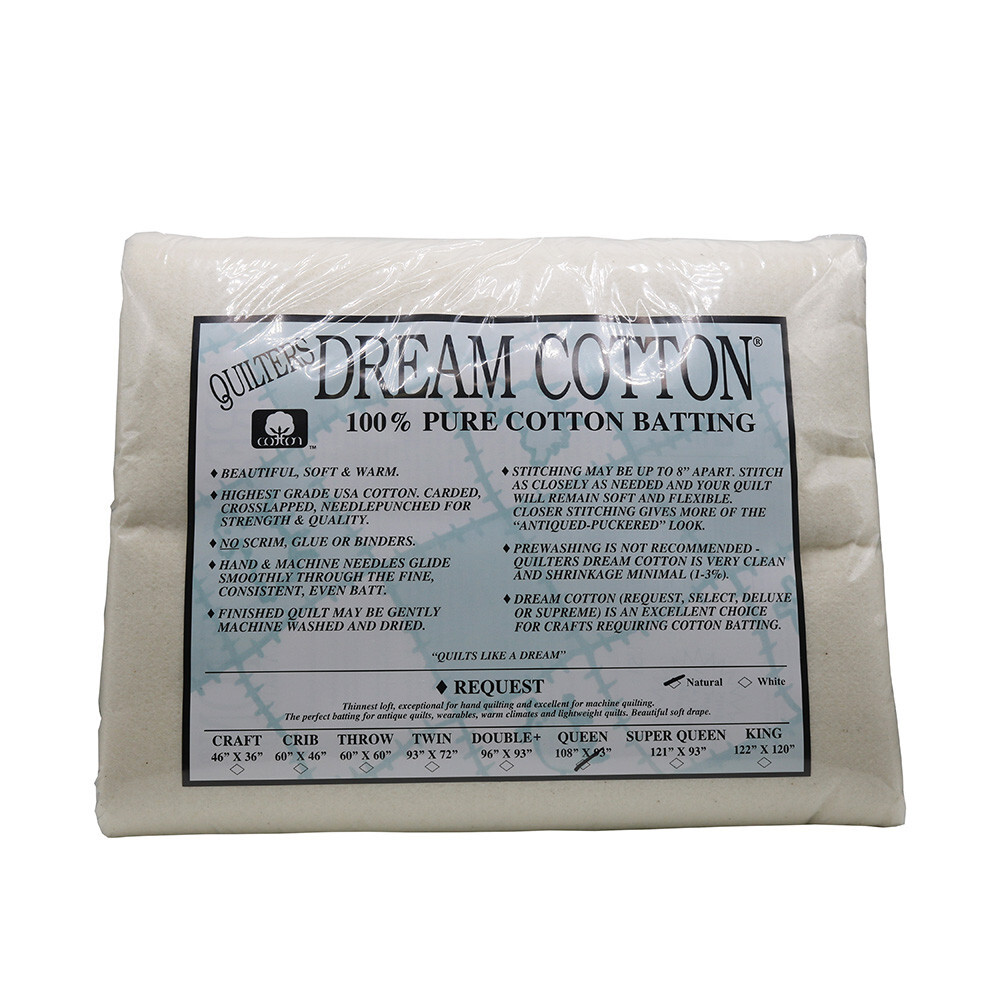
Cotton Batting
The traditional favorite. Breathable, soft, and known for producing a beautiful crinkle. Pairs naturally with cotton fabric tops and backings.
Shop now / View moreQuilt Batting Guide:
Embarking on a quilting project is a journey of creativity, precision, and tactile satisfaction. While vibrant colors and intricate patterns often steal the spotlight, there’s a silent, unsung hero at the core of every successful quilt: the batting. Often referred to as wadding, this intermediary layer provides warmth, structure, and that signature quilt texture. Your choice of batting can profoundly influence the final outcome — everything from drape and warmth to durability and ease of creation.
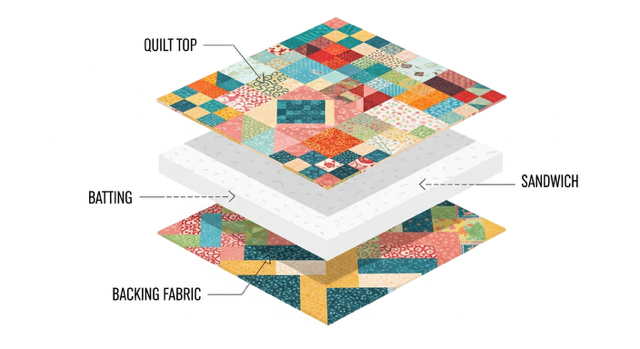
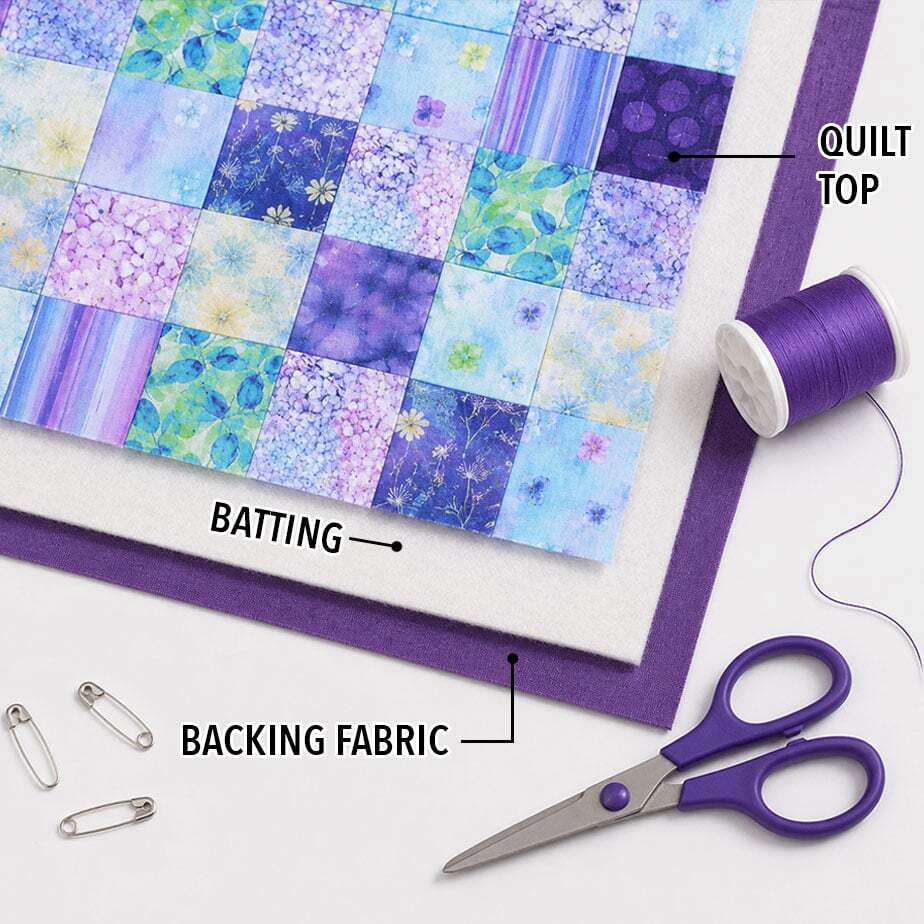
Batting serves as the essential middle layer in the classic “quilt sandwich,” playing a pivotal role in the overall character and function of the finished quilt. It provides the necessary insulation, defines the quilt’s loft, and contributes to its signature crinkled appearance. Without the right batting, even the most beautiful quilt top can fall flat.
A quilt is a three-layered construction:
Sandwiched between the top and backing, the batting’s properties directly influence how fabrics interact, how the quilt hangs, and how warm it will be.
The primary functions of quilt batting are multifaceted:
Insulation: Traps air to retain warmth — ideal for bed quilts and cozy throws.
Structure: Gives the quilt body, prevents stitches from pulling too close, and supports the integrity of quilting lines.
Aesthetics: Dictates the quilt’s loft (puffiness) and contributes to the beloved “crinkle” effect created when fabric and batting shrink slightly during washing.
Selecting the right quilt batting involves considering several key factors aligned with your project’s goals and personal quilting preferences.
The ultimate purpose of your quilt is paramount. A warm bed quilt for winter requires different batting characteristics than a lightweight wall hanging or a baby quilt. Consider how you want the quilt to feel: soft and cuddly, crisp and structured, or somewhere in between.
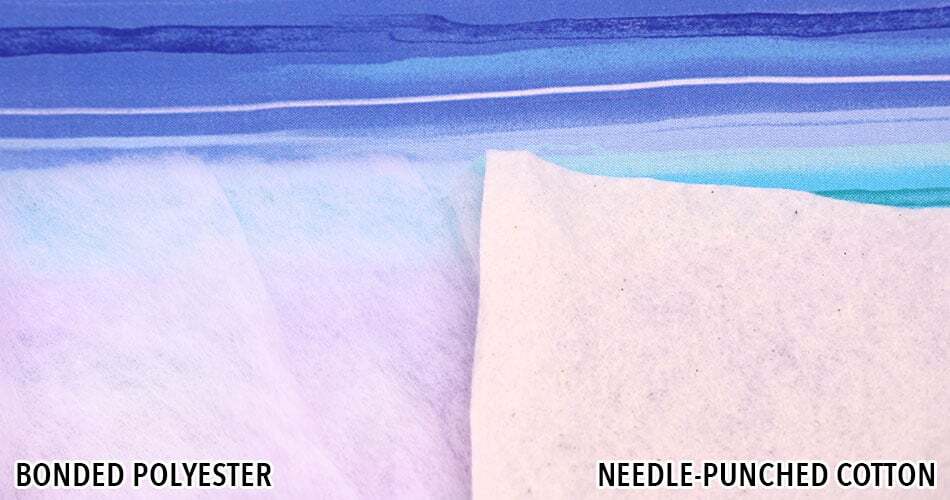
Your chosen quilting method significantly influences batting selection. Hand quilting often benefits from batting with less needle resistance. Machine and longarm quilting generally require batting that can withstand dense stitching.
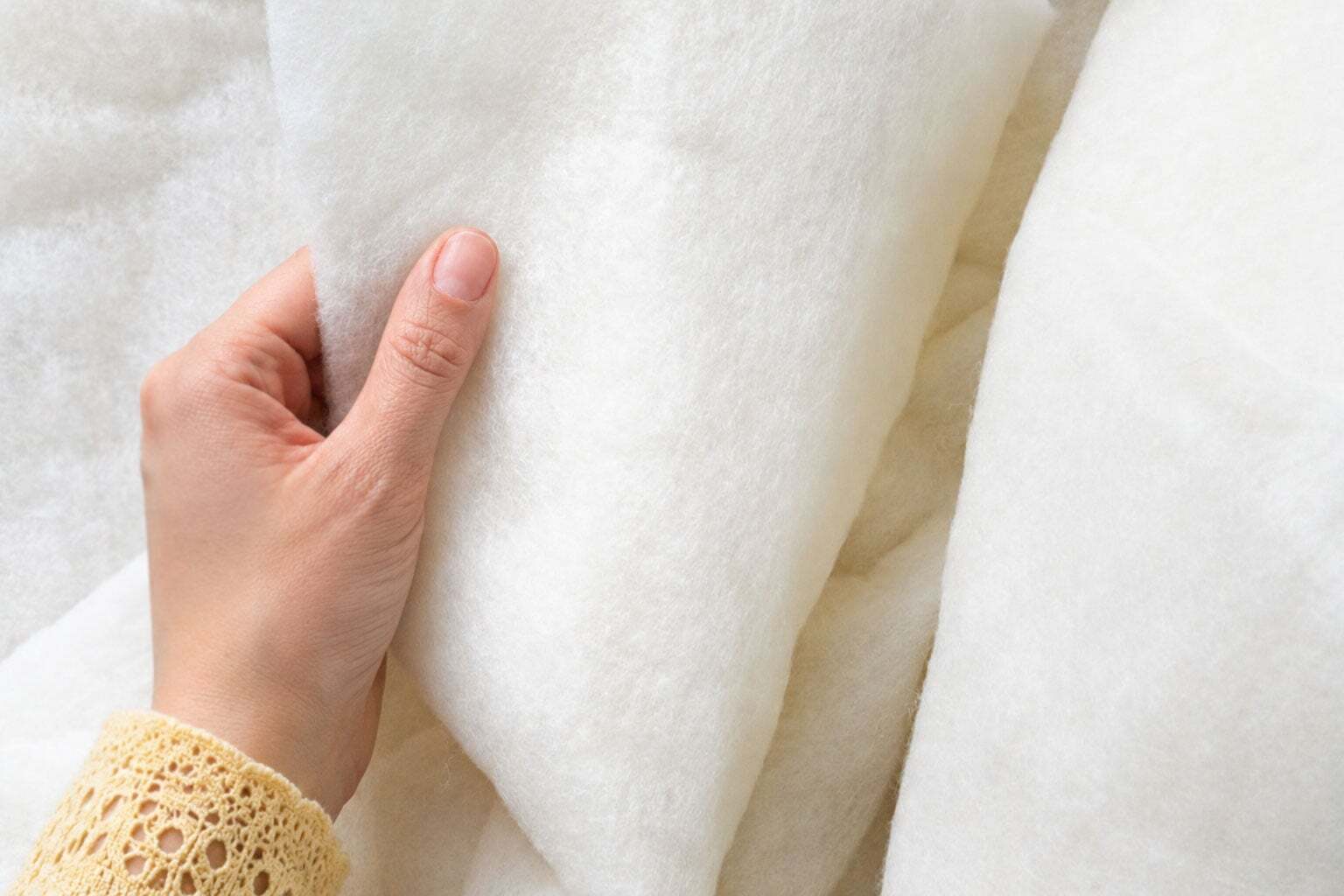
The traditional favorite. Breathable, soft, and known for producing a beautiful crinkle. Pairs naturally with cotton fabric tops and backings.
Shop now / View more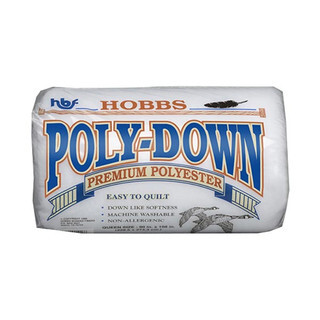
Durable, affordable, and excellent loft retention. Does not shrink — perfect for high-contrast quilt tops where a flatter finish is desired.
Shop now / View more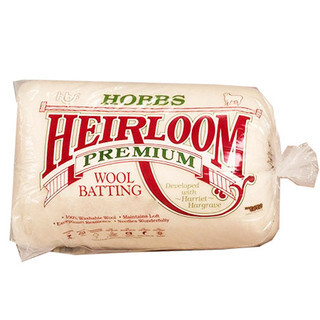
Exceptional warmth-to-weight ratio. Breathable, resilient, and shows quilting stitches beautifully. Ideal for three-season quilts.
Shop now / View more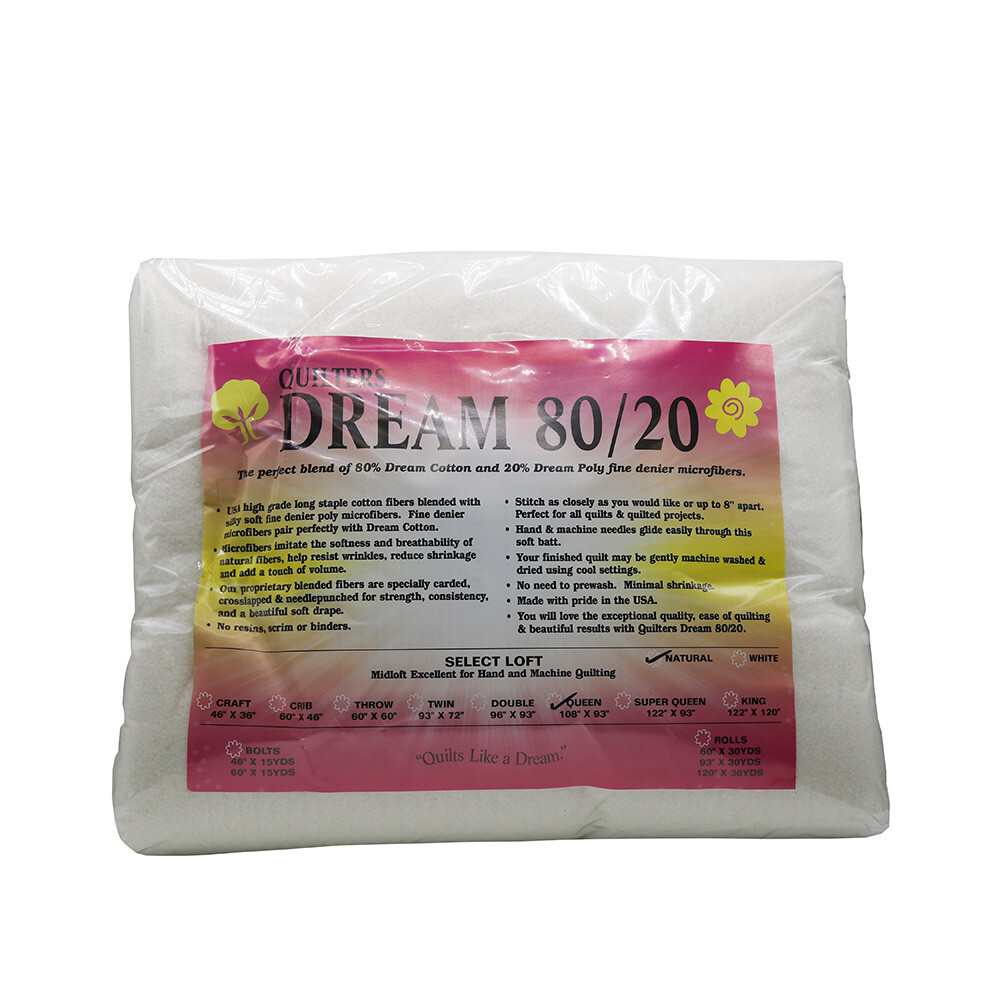
Sustainability meets softness. Incredibly soft with excellent drape. Often blended with cotton or silk for a luxurious, flowing finish.
Shop now / View moreLoft and drape are critical characteristics that go beyond fiber content, defining the tactile and visual personality of your quilt.
| Loft Level | Thickness | Best For | Effect |
|---|---|---|---|
| Low Loft | Under 1/4 inch | Wall hangings, detailed machine quilting, historical reproductions | Flat quilt, stitch definition is prominent |
| Medium Loft | 1/4 – 1/2 inch | Most general quilting projects, bed quilts | Balanced warmth, structure, and stitch definition |
| High Loft | Over 1/2 inch | Trapunto, dramatic crinkle, comforters | Very puffy, voluminous, high dimension |
Selecting the right quilt batting is a foundational step that profoundly impacts the success of your quilting endeavors. By understanding the interplay of fiber types, loft, drape, and essential features like scrim, you can move beyond guesswork and make truly informed choices.
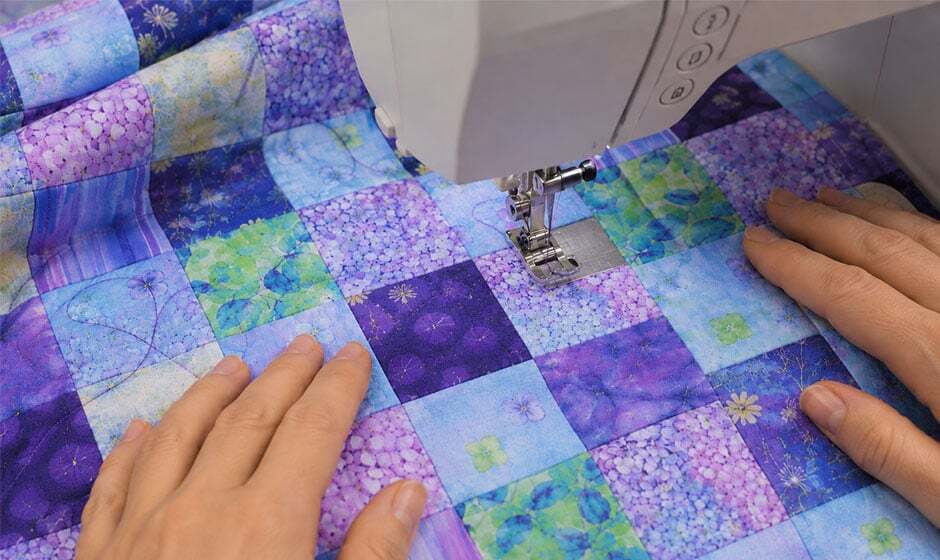

Whether you seek the traditional crinkle of cotton, the cozy warmth of wool, the durable practicality of polyester, or the sustainable softness of bamboo — there is a batting perfect for your next project. Don’t be afraid to experiment on smaller pieces to discover your personal preference.